Preparedness Actually Means (Beyond Emergency Kits)
Preparedness can make the difference between panic and power. It’s not about being paranoid or obsessing over worst-case scenarios. It’s about creating space between stimulus and response, between problem and crisis, and between setback and catastrophe.
Most people live one emergency away from chaos. One unexpected expense arises from financial stress. A single missed deadline can lead to a professional crisis. A single missed deadline can trigger a serious health issue.
They’re not lazy or irresponsible. They just haven’t built preparedness into their operating system.
Preparedness provides you options when others have none. It turns obstacles into inconveniences.
It transforms anxiety into confidence because you’ve already thought through what could go wrong and built buffers accordingly. This process isn’t about controlling every variable. It’s about being ready for the variables you can’t control.
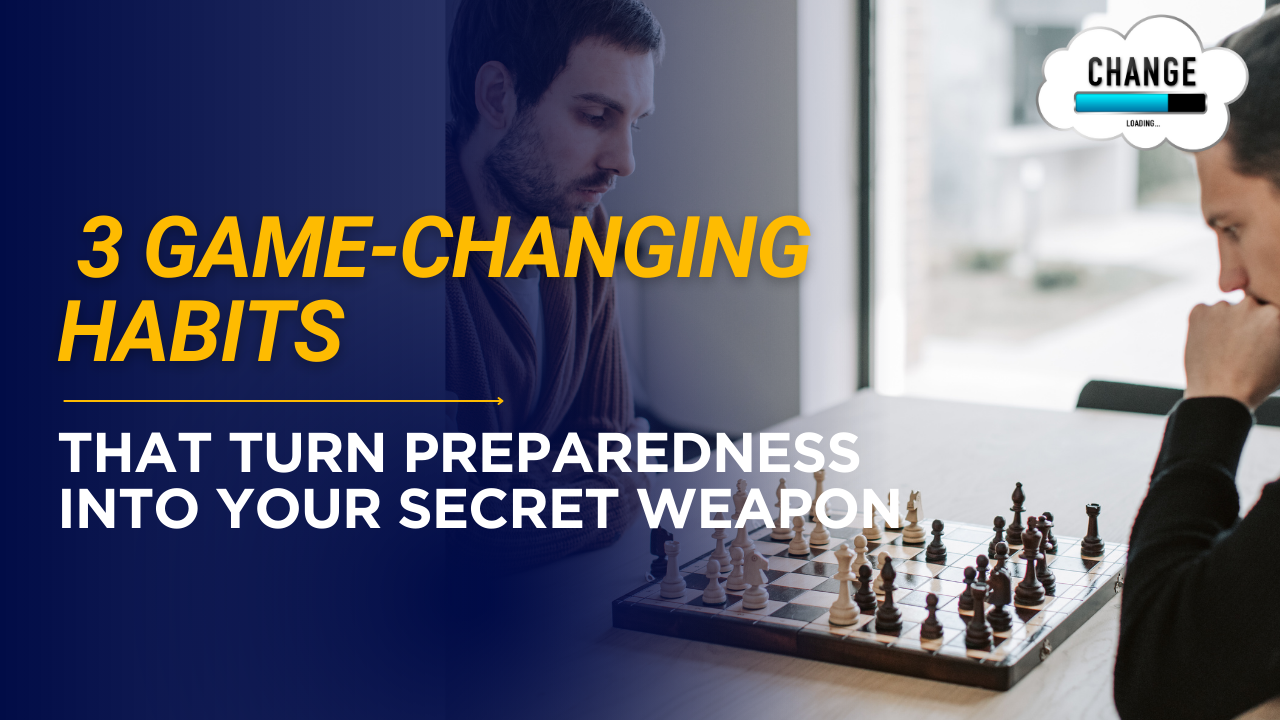
This guide breaks down three game-changing habits that make preparedness automatic rather than accidental. It maps the journey from survival to abundance, showing you what preparedness looks like at each stage and how to build systems that protect and propel you forward. These aren’t complex strategies requiring massive resources. They’re simple practices that compound into your secret weapon.
The Real Definition of Preparedness
Preparedness is the practice of thinking ahead and building buffers. It’s creating space between you and potential problems so that when challenges arise, you have room to respond instead of just react.
This systematic anticipation of needs and challenges separates those who thrive from those who merely survive.
Most people think preparedness means stockpiling supplies or creating doomsday bunkers. Real preparedness is subtler and more practical. It’s having tomorrow’s needs handled today. It’s the margin between your capacity and your commitments. It’s the difference between “I’ll figure it out” and “I’ve already figured it out.”
Why Preparedness Matters More Than Luck
Luck is random. Preparedness is intentional. When you’re prepared, you create the appearance of luck because opportunities that would overwhelm others become manageable for you. The individual who consistently succeeds doesn’t necessarily possess luck. They’re prepared.
Preparedness compounds over time. Each buffer you build, each plan you make, and each resource you inventory creates a foundation that makes the next level of preparedness easier. This compounding advantage separates the perpetually stressed from the consistently calm.
Common Misconceptions About Preparedness
Preparedness isn’t paranoia or pessimism. It’s practical optimism. You’re optimistic enough to believe you’ll face challenges and confident enough to know you can handle them if you prepare.
It doesn’t require wealth or extensive resources. The most powerful preparedness practices cost nothing but attention and discipline. A written plan is free. Arriving early costs nothing. Thinking ahead requires only time.
Preparedness isn’t about controlling everything. It’s about being ready for anything. You can’t predict every problem, but you can build systems that handle most problems and resilience that carries you through the rest.
The Preparedness Gap: Why Most People Are One Crisis Away From Chaos
Living on the Edge Without Realizing It
Most people have no financial buffer for unexpected expenses. A car repair, medical bill, or home emergency becomes a crisis because there’s no cushion. Due to the lack of time buffer for schedule disruptions, even a single delayed flight or sick child can cause chaos. Every obstacle necessitates a fresh start due to the absence of contingency plans for common problems.
This problem isn’t necessarily visible from the outside. People appear successful, yet they live in a precarious situation where a single mistake can lead to disaster. The appearance of stability masks the absence of preparedness.
The Cost of Reactive Living
Constant stress comes from operating without buffers. Every challenge triggers a fight-or-flight response because it threatens the whole system. Emergency solutions are expensive compared to planned alternatives.
The plumber you contact at midnight will charge three times as much as the one you schedule in advance.
Lack of preparedness creates cascading problems. One missed deadline leads to rushed work, which leads to mistakes, which lead to reputation damage, which leads to lost opportunities. Preparedness breaks these cascades before they start.
Why Preparedness Feels Impossible
Survival mode leaves no bandwidth for planning. When you’re drowning, you can’t think about swimming lessons. The urgency addiction that modern life creates prevents preparation. Everything feels urgent, so nothing receives the calm attention that preparedness requires.
People mistake busy for prepared. They’re doing so much that they feel productive, but activity without buffers isn’t preparedness. It’s just high-speed reactivity waiting for the inevitable crash.
Game-Changing Habit #1: The 24-Hour Buffer System
What the 24-Hour Buffer Looks Like
The 24-hour buffer means always operating one step ahead of necessity. You arrive 15 minutes early instead of on time. You finish projects a day before deadlines. You have already addressed tomorrow’s needs today. This single habit transforms your relationship with time and stress.
In practice, it’s simple. If something is due Friday, you complete it Thursday. If a meeting starts at 2:00, you arrive at 1:45. You’re prepared by 7:45 if you have to leave by 8:00. This buffer eliminates most of the emergencies that plague reactive people.
Why This Transforms Your Preparedness
The 24-hour buffer eliminates most emergencies automatically. Traffic that would make you late just makes you on time. Last-minute changes that would crater your plan just require minor adjustments. This approach creates space for quality instead of rush. Work done with margin is better than work done in panic.
Most importantly, it turns preparedness into a daily practice. You’re not preparing for some hypothetical future emergency. You’re practicing preparedness every single day by staying one step ahead.
How to Build the Buffer Habit
Begin by focusing on one area: time, money, or tasks. Don’t try to buffer everything at once. Pick the area causing you the most stress and build a buffer there first. If you’re always rushing, start with time. If you’re always broke, start with money. Finishing tasks should be your first priority if you’re constantly overwhelmed.
Add a 20% margin to all estimates and deadlines. If you think something takes an hour, schedule 75 minutes. If a project needs a week, plan for nine days. This margin accounts for the optimism bias that makes us underestimate everything.
Practice finishing early, not just on time. Make it a game to complete things before they’re due. The pride you feel from finishing ahead of schedule will reinforce the habit more than any external reward.
Game-Changing Habit #2: Scenario Planning Without Paranoia
The “What If” Practice
Scenario planning is regular mental rehearsal of potential challenges. It avoids oversimplifying or presuming the worst. It’s calmly considering options and building response plans before needing them. This preparedness practice transforms how you handle surprises.
The practice is straightforward. Once a month, ask yourself, “What could go wrong this month?” Please list the likely challenges, avoiding the extreme ones. Then create simple response plans. If X happens, I’ll do Y. This pre-made decision removes panic from unexpected situations.
How This Enhances Preparedness
When problems arise and you’ve already considered them, your response is calm and efficient. You’re not scrambling to figure out what to do. You’re executing a plan you made when you weren’t under stress. This preparedness advantage is enormous.
Pre-made decisions reduce stress and mistakes. Decision fatigue is real. When crisis hits and you haven’t planned, you’re making critical decisions while flooded with stress hormones. Preparedness through scenario planning means your best thinking happens before the crisis.
Implementing Practical Scenario Planning
Do a monthly review where you ask, “What could go wrong this month?” Focus on likely scenarios, not extreme ones. Job loss is worth planning for. Zombie apocalypse is not. Create simple contingency plans for the likely scenarios. These don’t need to be elaborate. The plans should be sufficiently clear to ensure that future-stressed-you knows what to do.
Document responses to recurring problems. If you face the same challenge multiple times, write down what worked. This preparedness documentation becomes your playbook for handling familiar issues.
Game-Changing Habit #3: The Resource Inventory System
Knowing What You Have Before You Need It
Resource inventory means regular assessment of time, money, skills, and connections. You can’t deploy resources you don’t know you have. Understanding your actual capacity and resources is fundamental to preparedness.
This includes identifying gaps before they become emergencies. If you realize you lack a critical skill, you can learn it proactively. You can increase your savings before a crisis arises if they aren’t enough. Preparedness requires honest accounting of what you actually have versus what you think you have.
Why Resource Awareness Drives Preparedness
You can’t prepare with resources you don’t know you have. Many people have skills, connections, or assets they forget about until a crisis forces inventory. Proactive inventory means those resources are available for planning, not just emergency deployment.
This method prevents overcommitment and under-delivery. Understanding your actual capacity allows you to set realistic expectations and commitments. This preparedness about your limitations is as important as preparedness about external challenges.
Building Your Resource Inventory Practice
Do quarterly assessments of financial, time, and skill resources. Write down what you actually have, not what you wish you had. Map your support network and expertise access. Who can you call for help? Who has skills you lack? This network inventory is crucial for preparedness.
Track what you can actually deliver versus what you promise. This gap reveals where your preparedness needs work. If you consistently overcommit, your resource inventory is optimistic fiction. Being prepared necessitates being brutally honest about your capacity.
The 4 Stages of Preparedness: From Survival to Abundance
Stage 1: Survival (Reactive Crisis Management)
At the survival stage, every problem is an emergency. There are no buffers in time, money, or energy. Preparedness feels like an impossible luxury when you’re living paycheck to paycheck, constantly rushing and barely making deadlines, with no contingency plans for anything.
You are here because past crises have depleted all reserves, current circumstances leave no margin for error, and being in survival mode prevents forward thinking. The reality is that preparedness is difficult when drowning. You can’t build preparedness without minimal stability. Small steps toward buffers must come first.
Stage 2: Stability (Inconsistent Preparation)
At the stability stage, you have certain buffers in specific areas. Occasional planning happens when things are calm, but preparedness happens accidentally, not systematically. You might have a small emergency fund for under one month of expenses. You’re sometimes early, often rushing. You have vague backup plans that aren’t actionable.
This moment is the transition point. Basic needs are met, but preparedness isn’t habitual. You’re capable of planning but don’t prioritize it. The comfort zone of “good enough” prevents reaching the next level. What’s needed are systematic habits that make preparedness automatic, commitment to buffers even when they seem unnecessary, and shifting from reactive to proactive as your default.
Stage 3: Success (Systematic Preparedness)
At the success stage, you have consistent buffers in major life areas. Regular planning and scenario thinking happen. Preparedness is a practiced discipline. You maintain a three- to six-month emergency fund. Projects are completed ahead of schedule. You have documented contingency plans for likely scenarios.
The breakthrough happens here. Preparedness becomes your default operating mode. Anticipating problems leads to fewer emergencies. Confidence comes from knowing you’re ready. What sustains this level are habits that maintain buffers automatically, regular review and adjustment of plans, and a preparedness mindset in all decisions.
Stage 4: Abundance (Preparedness as Power)
With abundance, you have significant reserves in all key areas. Preparedness creates opportunities, not just prevents problems. You operate from overflow instead of scarcity. You maintain year-plus financial reserves, time and energy margins for unexpected opportunities, and systems that maintain preparedness without effort.
The reality is that preparedness enables risk-taking and growth. You have resources available for others in crisis. Freedom comes from being comprehensively ready. Such readiness enables strategic moves that require security, helping others without depleting yourself, and true abundance through prepared surplus.
Practical Steps to Build Preparedness at Each Stage
Moving From Survival to Stability
Save $500 for emergencies, even if it takes months. Consider incorporating a 24-hour buffer into your schedule. Please identify the three most likely challenges you may face this month and consider potential responses.
Stop saying yes to everything because that creates false emergencies. Finish one thing early this week to practice the buffer habit. Write down what you’d do if your most likely problem hits. This simple preparedness documentation is powerful.
Shift your mindset to, “I can’t afford NOT to prepare.” Recognize that reactive living is pricier than prepared living. Small buffers prevent big disasters. This understanding motivates the discipline preparedness requires.
Moving From Stability to Success
Please consider increasing your emergency fund to cover three months of expenses. Implement 20% time margins on all commitments. Create written contingency plans for work and life.
Establish preparedness systems: monthly “what could go wrong” planning sessions, quarterly resource inventory and gap analysis, and weekly review of upcoming challenges and prep needed.
Make preparedness non-negotiable, not optional. Please identify areas where insufficient preparation may have led to challenges. Celebrate prevented problems, not just solved ones. This technique builds the preparedness mindset that sustains success-level habits.
Moving From Success to Abundance
Expand emergency reserves to 12+ months. Build systems that maintain preparedness automatically. Create a resource surplus for opportunity investment.
Practice advanced preparedness: scenario planning for major life transitions, a diversified resource base in skills, income, and relationships, and preparedness that enables strategic risk-taking.
Embrace the abundance mindset where preparedness creates freedom, not restriction. Resources enable helping others out of overflow. Being ready allows saying yes to opportunities that would overwhelm the unprepared.
Your Preparedness Starting Point
Preparedness isn’t about having everything figured out. It’s about being ready for what you can anticipate and resilient for what you can’t. The three game-changing habits in this guide create that readiness without requiring perfection or massive resources.
Start with the 24-hour buffer. Focus on just one area at a time. Arrive early instead of on time. Finish one project a day before the deadline. That small margin will show you what preparedness feels like, and you’ll want more of it.
Add simple scenario planning. Once a month, ask, “What could go wrong?” and make a basic plan. This is not a sign of paranoia but rather a practical approach to planning ahead. Combined with knowing your actual resources, these three habits transform how you move through paranoia.
Your stage doesn’t matter as much as your direction. If you’re in survival, one small buffer is progress. If you’re stable, systematic habits are the upgrade. If you’re successful; building abundance through deeper preparedness creates opportunities others can’t access.
Preparedness is your secret weapon because most people don’t have it. While they scramble and panic, you’ll execute calmly from a foundation you built before you needed it. That’s not luck. That’s preparedness.